
How to Choose a Diamond Ring: A Complete Beginner’s Guide (2026 Edition)

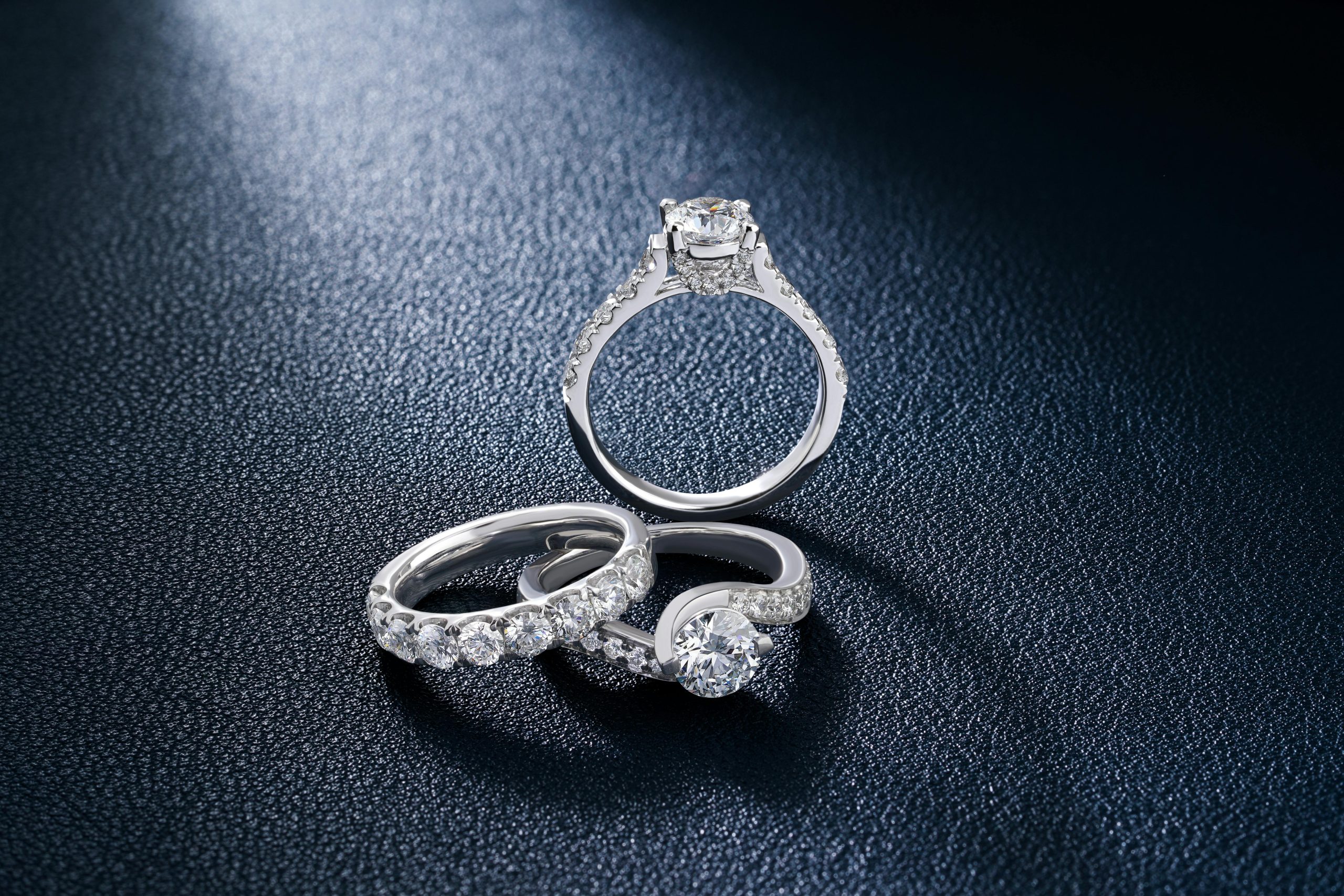
Buying a diamond ring—whether for an engagement, anniversary, or personal collection—is both exciting and intimidating, especially for first-time buyers. Prices vary widely, terminology can be confusing, and the rise of lab-grown diamonds has added new choices to consider.
This guide is written for beginners who want a clear, professional, and practical framework for choosing a diamond ring in 2026. It explains the fundamentals, compares natural diamonds and lab-grown diamonds, and highlights key decision points so you can buy with confidence.
1. Start With the Purpose and Budget
Before looking at diamonds, clarify two things:
- Purpose: Engagement, wedding band, gift, or everyday jewelry
- Budget range: Decide a comfortable upper limit
A clear budget helps you prioritize what matters most—size, quality, brand, or long-term value. In today’s market, excellent-looking diamond rings can be found at many price points, especially when you understand trade-offs.
2. Natural Diamonds vs. Lab-Grown Diamonds
One of the most important decisions in 2026 is whether to choose a natural diamond or a lab-grown diamond.
Natural Diamonds
What they are
Formed deep within the Earth over billions of years under extreme heat and pressure, then mined.
Key characteristics
- Naturally occurring and finite
- Traditionally associated with rarity and symbolism
- Long-established resale and collector market
Pros
- Geological rarity and natural origin
- Strong emotional and cultural value
- Better long-term value retention
Cons
- Higher price per carat
- Environmental and ethical concerns unless responsibly sourced
Lab-Grown Diamonds
What they are
Real diamonds created in laboratories using HPHT or CVD technology. Chemically and optically identical to natural diamonds.
Key characteristics
- Man-made but not imitation
- Typically 30–60% less expensive than natural diamonds
- Rapidly growing acceptance
Pros
- Larger size or higher quality for the same budget
- More predictable sourcing
- Often marketed as more environmentally conscious
Cons
- Lower resale value
- Technology-driven supply keeps prices declining
- Less appeal for buyers who value natural rarity
Professional takeaway:
Choose natural diamonds for tradition, rarity, and long-term value. Choose lab-grown diamonds for maximum visual impact and value within a limited budget.
3. Understanding the 4Cs (Still the Foundation in 2026)
The 4Cs—Cut, Color, Clarity, and Carat—remain the global standard for evaluating diamonds.
Cut (Most Important)
Cut affects brilliance and sparkle more than any other factor.
- Excellent / Ideal cut grades offer the best light performance
- A well-cut smaller diamond can look better than a poorly cut larger one
Recommendation: Always prioritize cut quality.
Color
Diamond color is graded from D (colorless) to Z (light yellow).
- D–F: Colorless (premium)
- G–H: Near-colorless (best value)
- I–J: Slight warmth, often acceptable in yellow or rose gold
Recommendation: G–H offers the best balance for most buyers.
Clarity
Clarity measures internal inclusions and surface blemishes.
- FL–VVS: Extremely rare, visually identical to lower grades
- VS1–VS2: Eye-clean and excellent value
- SI1: Often eye-clean if well chosen
Recommendation: Aim for VS or eye-clean SI grades.
Carat (Weight)
Carat affects size, but not brilliance.
- Price increases non-linearly at “magic weights” (0.5, 1.0, 1.5 ct)
- Slightly under these weights can save money with minimal visual difference
4. Diamond Shape: Style and Illusion of Size
Popular shapes in 2026 include:
- Round Brilliant: Maximum sparkle, highest cost
- Oval: Elegant, makes fingers look longer
- Cushion: Vintage-inspired, soft brilliance
- Emerald: Step-cut, emphasizes clarity
- Princess: Sharp, modern look
Elongated shapes (oval, pear, marquise) often appear larger than round diamonds of the same carat weight.
5. Ring Setting and Metal Choice
Common Settings
- Solitaire: Timeless, focuses on the diamond
- Halo: Enhances visual size
- Pavé: Adds sparkle along the band
- Three-stone: Symbolic and balanced
Metal Options
- Platinum: Durable, naturally white, premium
- White gold: Bright and modern, lower cost
- Yellow gold: Classic, flattering to warmer diamonds
- Rose gold: Romantic, trendy, hides color well
6. Certification: Non-Negotiable
Always buy diamonds with independent grading reports.
Trusted labs:
- GIA (most respected worldwide)
- IGI (common for lab-grown diamonds)
Certificates confirm authenticity, quality, and whether a diamond is natural or lab-grown.
7. Ethical and Sustainability Considerations
Modern buyers increasingly value responsible sourcing.
- Look for conflict-free assurances
- Consider traceable natural diamonds or certified lab-grown options
- Ask retailers about environmental and labor standards
8. Common Beginner Mistakes to Avoid
- Prioritizing carat over cut
- Paying for clarity grades you can’t see
- Buying without certification
- Ignoring return and upgrade policies
- Assuming all lab-grown diamonds hold value
9. Final Advice
A diamond ring is both a financial and emotional purchase. There is no universally “perfect” choice—only the choice that best fits your values, budget, and expectations.
In summary:
- Learn the fundamentals before shopping
- Decide early between natural and lab-grown diamonds
- Focus on cut quality and overall appearance
- Buy from reputable sellers with clear documentation
With the right knowledge, choosing a diamond ring becomes a confident and rewarding experience—one that will stand the test of time.
Frequently Asked Questions (FAQ)
1. Are lab-grown diamonds considered “real” diamonds?
Yes. Lab-grown diamonds are real diamonds.
They have the same chemical composition, crystal structure, and optical properties as natural diamonds. The difference lies only in their origin—lab-grown diamonds are created in controlled laboratory environments rather than formed underground over billions of years.
2. Do lab-grown diamonds last as long as natural diamonds?
Absolutely.
Both natural and lab-grown diamonds rank 10 on the Mohs hardness scale, making them equally durable for everyday wear. A lab-grown diamond will not fade, cloud, or degrade over time under normal use.
3. Will a lab-grown diamond hold its value?
Lab-grown diamonds generally do not retain value the same way natural diamonds do.
Because production technology continues to improve and supply increases, prices for lab-grown diamonds tend to decline. They are best viewed as a value-driven purchase, not a long-term investment.
Natural diamonds, while not guaranteed investments, typically retain value better due to their rarity and established resale market.
4. How much should a beginner spend on a diamond ring?
There is no fixed rule.
Instead of outdated spending formulas, focus on what fits your financial comfort level. In 2026, well-made diamond rings can be found at nearly every price point—especially if you balance carat weight with cut, color, and clarity.
A smart approach is to set a maximum budget first, then optimize quality within that range.
5. Is diamond certification really necessary?
Yes—certification is essential.
An independent grading report verifies whether a diamond is natural or lab-grown and confirms its cut, color, clarity, and carat weight. Without certification, it’s impossible to objectively assess value or authenticity.
For natural diamonds, GIA is the most trusted authority.
For lab-grown diamonds, IGI is widely accepted and reliable.
6. Which diamond shape looks the largest for its carat weight?
Elongated shapes tend to appear larger than round diamonds of the same weight.
Popular options include:
-
Oval
-
Pear
-
Marquise
-
Emerald cut
These shapes have greater surface area and create the illusion of a bigger stone, making them excellent choices for maximizing visual impact on a budget.
7. Is higher clarity always better?
Not necessarily.
Many high-clarity diamonds look identical to the naked eye when compared to lower (but still eye-clean) grades. For most buyers, VS1–VS2 or carefully selected SI1 diamonds provide the best balance of appearance and value.
Paying for flawless clarity often adds cost without visible benefit.
8. Does ring metal affect how the diamond looks?
Yes.
Metal choice can influence how a diamond’s color is perceived:
-
White gold or platinum enhances brightness and suits near-colorless diamonds
-
Yellow or rose gold can mask warmth, allowing you to choose slightly lower color grades without sacrificing appearance
Matching metal color with diamond color is a smart way to stretch your budget.
9. Are lab-grown diamonds more environmentally friendly?
Lab-grown diamonds are often marketed as more sustainable, but the reality depends on energy sources and production methods. Some producers use renewable energy, while others rely on traditional power grids.
Similarly, responsibly sourced natural diamonds—especially traceable or certified options—can meet high environmental and ethical standards.
Always ask retailers for transparency rather than assuming one option is automatically “greener.”
10. What matters more: carat size or overall appearance?
Overall appearance matters more.
A slightly smaller diamond with an excellent cut often looks brighter, more lively, and even larger than a heavier diamond with poor proportions.