
Round Cut vs Pear Cut Engagement Rings: Which One Is More Popular?

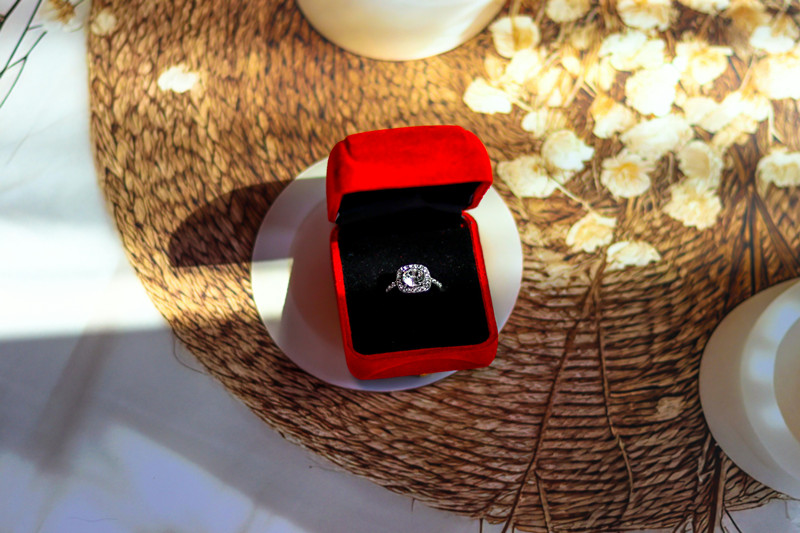
When it comes to choosing an engagement ring, two diamond shapes often top the list: the round cut and the pear cut. Each offers a distinct look and appeal, and each has its own advantages when it comes to style, market popularity, and wearability. Here, we break down the differences so you can make an informed choice.
Market Popularity
Globally, the round cut diamond dominates the market. Roughly 55%–60% of engagement ring diamonds sold are round cuts, making them the most common choice in the United States. Their popularity comes from:
- A timeless, classic design
- High recognition among buyers
- Wide availability and consistent pricing
In comparison, pear cut diamonds are less common, representing around 6%–8% of sales. They appeal to those who want something unique or distinctive, making them a steadily growing choice for more individualistic buyers.
Why Round Cut Diamonds Are So Popular
- Brilliance and Sparkle
The round cut is designed to reflect maximum light, giving it exceptional brightness and fire. For most buyers, this creates an immediate visual impact. - Versatility
Round diamonds work with nearly any setting or hand shape. Whether it’s a solitaire or three-stone ring, a thin or wide band, the round cut adapts easily, which makes it a practical choice for most engagement rings. - Resale Value
Round diamonds hold their value well. They are easier to resell or upgrade and have a stable, transparent pricing structure.
The Appeal of Pear Cut Diamonds
While less popular, the pear cut has its own strong points:
- Finger-Flattering Shape
The pear cut combines elements of the round and marquise shapes, creating a longer, slimmer look. It’s especially flattering for those who want to make their fingers appear more elongated. - Unique and Personal
Pear diamonds stand out because of their distinctive shape. They’re perfect for buyers who want a ring that feels personal and different from the standard options. - Cost-Effective
Pear cut diamonds are usually less expensive than round diamonds of the same carat, color, and clarity, making them a smart choice for those who want a visually large diamond without the higher price tag.
Quick Comparison
| Feature | Round Cut | Pear Cut |
|---|---|---|
| Popularity | ⭐⭐⭐⭐⭐ | ⭐⭐⭐ |
| Sparkle | ⭐⭐⭐⭐⭐ | ⭐⭐⭐⭐ |
| Unique Style | ⭐⭐⭐ | ⭐⭐⭐⭐⭐ |
| Finger-Flattering | ⭐⭐⭐⭐ | ⭐⭐⭐⭐⭐ |
| Resale Value | ⭐⭐⭐⭐⭐ | ⭐⭐⭐ |
Round cut diamonds remain the most popular choice for their classic look, brilliance, and long-term value. Pear cut diamonds are increasingly chosen by buyers seeking a unique, eye-catching style and a more finger-flattering shape.
FAQ: Round Cut vs Pear Cut Engagement Rings
1. Which engagement ring shape is more popular?
Round cut diamonds are the top-selling engagement ring shape, widely recognized and valued. Pear cuts are less common but steadily gaining interest among buyers looking for something unique.
2. Why choose a round cut diamond?
Round diamonds reflect light beautifully, adapt to nearly any setting, and retain value well, making them a reliable choice for most buyers.
3. Who is a pear cut diamond ideal for?
Pear cuts are perfect for anyone wanting slender-looking fingers or a ring with a distinctive, personal design. They also offer good visual size for the price.
4. Which looks bigger, round or pear?
Pear cut diamonds tend to appear larger than round diamonds of the same carat because of their elongated shape, while round diamonds maximize sparkle.
5. Which diamond shape holds value better?
Round diamonds generally hold value better due to higher demand and market recognition. Pear cuts are more affordable upfront but less liquid in resale.
6. On a budget, which is a better choice?
If you want a larger-looking diamond for less money, a pear cut is a smart choice. For maximum brilliance and long-term value, a round cut is preferable.