
How to Care for Your Wedding Ring: Expert Advice for Long-Term Diamond Protection

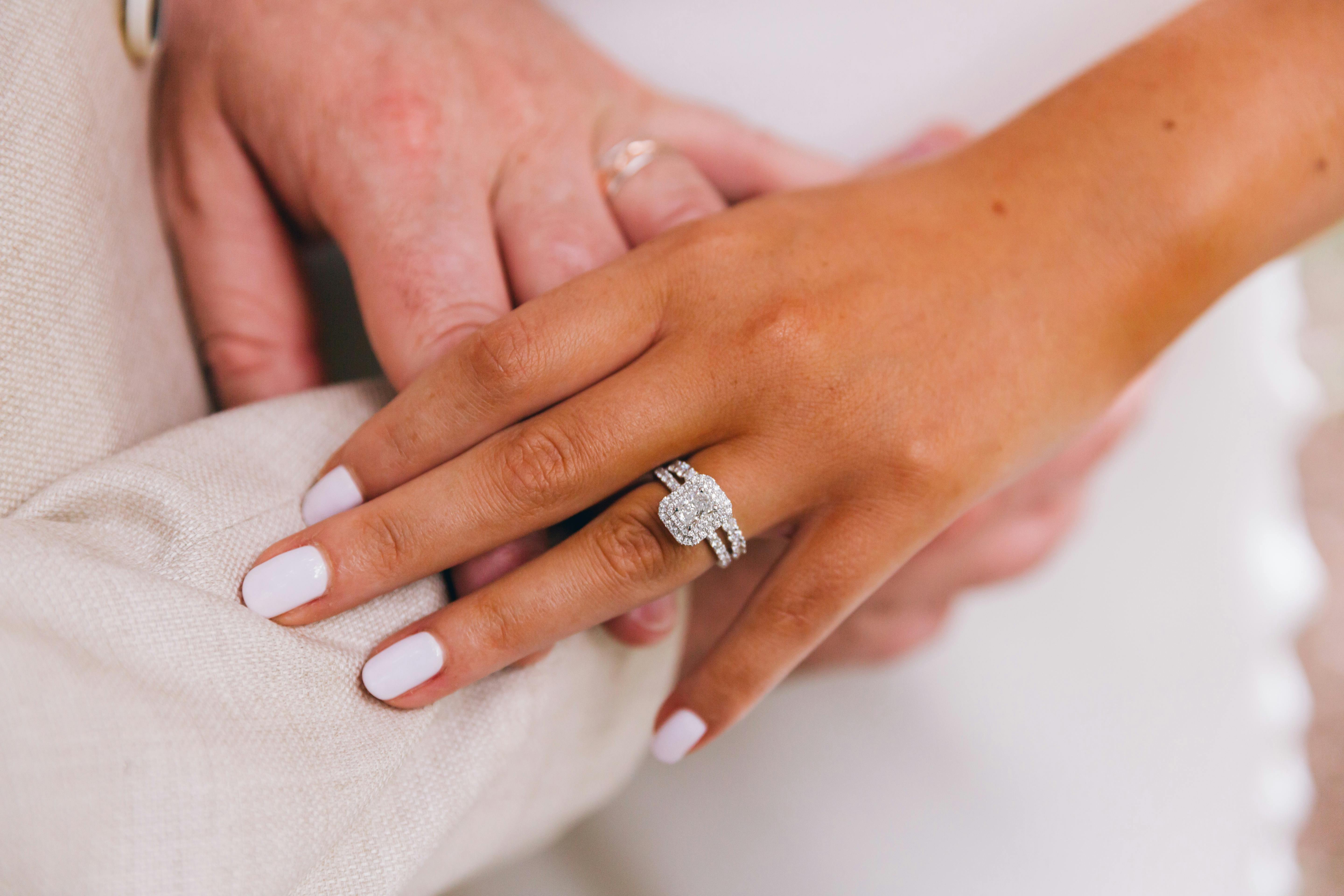
A wedding ring is designed to be worn every day, but daily wear is exactly what puts it at risk. After years of working with fine jewelry and diamond settings, one thing becomes clear: most wedding ring damage is preventable.
Understanding how to care for your wedding ring properly helps preserve not only its appearance, but also its structural integrity over time. This guide is written from a practical, expert perspective — focused on what actually works in real life.
Why Wedding Ring Care Requires More Than Occasional Cleaning
From a professional standpoint, diamond damage rarely happens suddenly. It usually develops slowly.
Common long-term issues include:
- Oil buildup that reduces light performance
- Gradual prong wear that goes unnoticed
- Metal fatigue caused by repeated pressure
Proper wedding ring care focuses on prevention, not reaction. Once a diamond becomes loose or chipped, repairs are more complex and costly.
Daily Wear Habits That Protect Your Wedding Ring
In professional jewelry inspections, most damage traces back to routine activities rather than accidents.
Remove your wedding ring when:
- Using household cleaners or detergents
- Exercising, lifting weights, or doing manual work
- Swimming in chlorinated pools or saltwater
- Applying skincare products or cosmetics
These steps may feel inconvenient, but they significantly reduce long-term wear.
How Experts Recommend Cleaning a Diamond Wedding Ring
Knowing how to clean a diamond ring safely is essential. From a professional care perspective, gentle methods are always preferred.
Recommended home cleaning method:
- Use warm (not hot) water
- Add a few drops of mild dish soap
- Soak for 10–15 minutes
- Gently brush under the diamond with a soft toothbrush
- Rinse thoroughly and dry with a lint-free cloth
This method protects both the diamond and the setting, especially for rings worn daily.
Cleaning Methods Professionals Advise Against
Some popular online tips cause more harm than good.
Avoid:
- Toothpaste or abrasive powders
- Bleach, ammonia, or alcohol-based cleaners
- Boiling water or steam cleaning at home
From a professional standpoint, these methods increase the risk of prong weakening and metal discoloration.
Proper Storage: An Overlooked Part of Wedding Ring Care
Many people focus on cleaning but ignore storage. In reality, improper storage causes avoidable scratches and setting damage.
Best practices include:
- Storing the ring separately in a soft-lined box
- Avoiding contact with other jewelry
- Keeping it away from heat and humidity
Good storage habits protect the ring when it is not being worn.
How Often Should a Wedding Ring Be Professionally Inspected?
Based on industry standards, professional inspection is recommended:
- Every 6 to 12 months
- Immediately after noticeable impact or bending
Professional maintenance typically includes prong tightening, polishing, and structural inspection. These checks often prevent diamond loss before it happens.
Wedding Ring Care by Metal Type
Different metals behave differently over time.
Platinum wedding rings
Platinum is durable and does not lose color, but it develops a natural patina. Occasional polishing restores its original finish without reducing metal strength.
18K gold wedding rings
Gold alloys are strong but more prone to surface wear. Limiting chemical exposure helps preserve both color and polish.
Expert Conclusion: How to Care for Your Wedding Ring for Life
From an expert perspective, learning how to care for your wedding ring is about consistency, not perfection. Simple daily habits, safe cleaning methods, and routine professional inspections are enough to keep a ring secure and brilliant for decades.
A well-maintained wedding ring does not just look better — it lasts longer.
Frequently Asked Questions
How often should I clean my wedding ring?
From a professional care perspective, cleaning your wedding ring once or twice a month is usually enough for daily wear. Over-cleaning is unnecessary and may increase wear on the metal if done incorrectly. Gentle, regular cleaning works best.
Can I wear my wedding ring every day?
Yes, most wedding rings are designed for daily wear. However, knowing how to care for your wedding ring means removing it during activities that involve chemicals, heavy impact, or pressure. Daily wear is safe when combined with smart habits.
Do diamonds lose their sparkle over time?
Diamonds do not lose brilliance naturally. What people notice as “dullness” is almost always caused by oil, lotion, or soap residue on the stone. Proper cleaning restores the original sparkle.
Is it safe to clean a diamond ring with toothpaste?
No. Toothpaste is abrasive and can scratch metal surfaces and weaken prongs over time. From a professional standpoint, toothpaste is one of the most common causes of unnecessary ring damage.
How do I know if my diamond setting is loose?
If the diamond feels slightly mobile, makes a faint sound when tapped, or catches on fabric, the setting may be loose. In these cases, stop wearing the ring and have it inspected by a professional jeweler as soon as possible.
How often should a wedding ring be professionally inspected?
Most jewelers recommend professional inspection every 6 to 12 months. Regular checks help identify prong wear or metal fatigue early, before costly repairs or diamond loss occur.
Can an old wedding ring be restored?
Yes. In most cases, an older wedding ring can be cleaned, polished, and re-secured to restore both appearance and safety. Professional refurbishment often makes a ring look significantly better without altering its original design.
Does the type of metal affect wedding ring care?
Yes. Platinum and gold behave differently over time. Platinum develops a patina, while gold may scratch or fade depending on alloy composition. Understanding your ring’s metal helps you care for it correctly.