
Common Mistakes to Avoid When Buying a Diamond Ring?

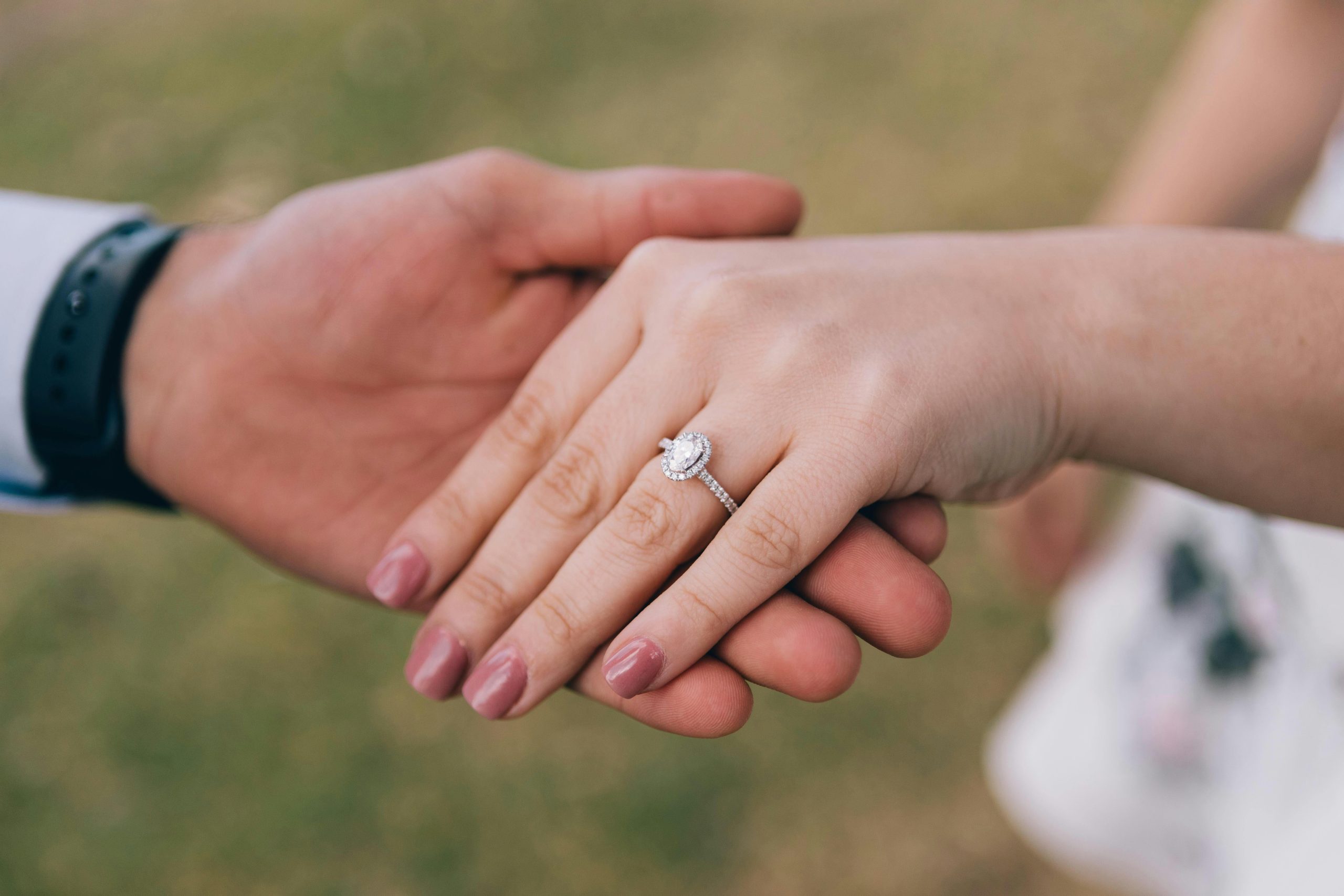
Buying a diamond ring is both a significant investment and a deeply personal choice. Whether it’s for an engagement, anniversary, or a meaningful gift, making informed decisions is key to ensuring you select a diamond that will be cherished for years. Here’s a guide to the most common mistakes buyers make and how to avoid them.
1. Neglecting the 4Cs: Cut, Color, Clarity, and Carat
A frequent oversight is focusing too much on one factor—usually carat—while ignoring the 4Cs, which define a diamond’s quality:
- Cut: Determines the diamond’s brilliance and sparkle. A poorly cut diamond can look dull, even if it has high clarity and color grades.
- Color: Diamonds range from completely colorless to slightly tinted. Subtle differences can affect appearance and price.
- Clarity: Small inclusions may not be visible to the naked eye, but large or poorly positioned flaws can detract from beauty.
- Carat: Refers to weight, not necessarily visual size. Two diamonds of the same carat can look very different depending on the cut.
Pro Tip: Always request a certified grading report from recognized labs such as GIA or AGS to ensure the diamond’s quality matches the specifications.
2. Prioritizing Size Over Quality
Many buyers equate a larger diamond with better value, but size isn’t everything. A smaller, well-cut diamond often appears more brilliant than a bigger diamond with mediocre cut or color.
Pro Tip: Strike a balance between carat, cut, clarity, and color to get the most visually stunning diamond for your budget.
3. Not Establishing a Clear Budget
Purchasing without a realistic budget can lead to overspending or unnecessary stress. It’s important to research prices for the diamond shapes and qualities you’re considering and set a firm limit before shopping.
Pro Tip: Focus on getting the best quality within your price range rather than stretching for an oversized carat.
4. Overlooking Ring Setting and Metal Type
The diamond is only part of the story. The setting and metal can influence both appearance and durability:
- Settings: Prong settings showcase the diamond but require care, while halo or pave designs enhance sparkle but need more maintenance.
- Metals: Platinum is durable, white gold is versatile, and rose gold offers a unique look. Consider the wearer’s style and lifestyle when selecting metal.
Pro Tip: Match the ring design to daily activities to minimize wear and tear.
5. Skipping Certification or Return Policies
Buying a diamond without certification is risky. Certification confirms authenticity and quality. Equally important is a clear return or exchange policy, especially for online purchases.
Pro Tip: Avoid deals that seem too good to be true—they often lack proper certification and quality verification.
6. Ignoring Lifestyle and Practicality
Think about the wearer’s lifestyle. Active individuals or those who work with their hands frequently may need a sturdier setting and metal to prevent damage.
Pro Tip: Consider options like bezel settings or durable metals for everyday wear.
FAQ: Buying Diamond Rings
Q1: Can I trust online diamond retailers?
A1: Many reputable online jewelers provide certified diamonds at competitive prices. Verify certifications, reviews, and return policies before buying.
Q2: How can I verify a diamond’s authenticity?
A2: Only rely on diamonds certified by recognized labs like GIA or AGS. Avoid uncertified stones.
Q3: Which cut offers the most sparkle?
A3: The round brilliant cut is the most reflective, but princess, oval, and other well-cut shapes can also provide exceptional brilliance.
Q4: What’s a reasonable budget for a diamond ring?
A4: It varies by personal finance. Prioritize quality over sheer carat size and consider what feels comfortable for your budget.