
Diamond Clarity vs Cut: Which Has a Greater Impact on Fire?

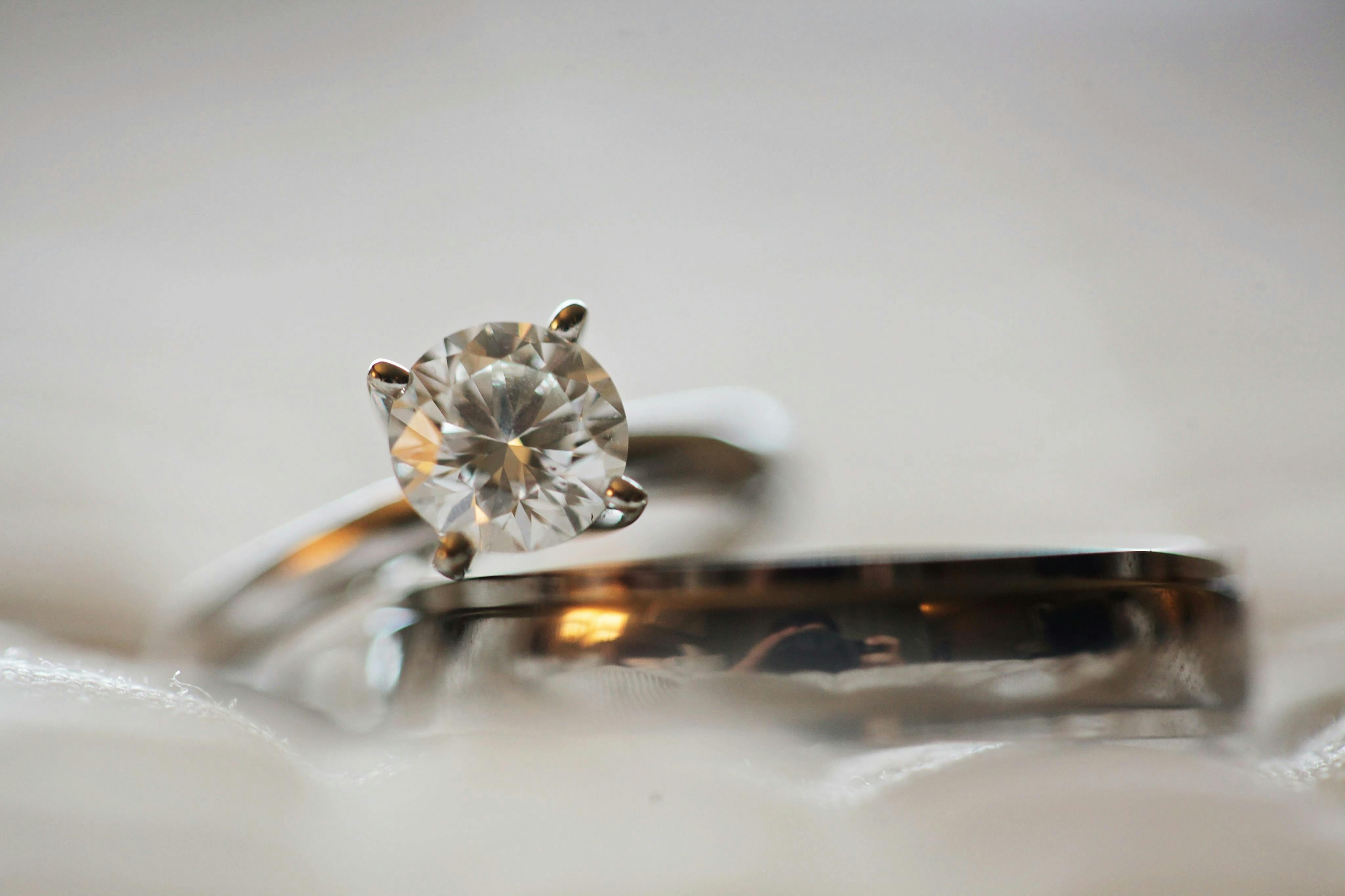
When people talk about a diamond’s sparkle, they often use one word loosely: fire.
At the same time, many buyers assume that higher clarity automatically means better fire.
In reality, this is one of the most common misunderstandings in diamond selection.
To answer the question properly, we need to separate perception from optical reality.
Understanding Diamond Fire
In gemology, a diamond’s visual performance is usually described through three effects:
- Brilliance – the amount of white light returned to the eye
- Fire – flashes of spectral color caused by light dispersion
- Scintillation – the pattern of light and dark as the diamond moves
Fire specifically refers to colored flashes—reds, blues, greens and yellows—that appear when white light is split into its component wavelengths inside the diamond.
This effect is not created by cleanliness.
It is created by how light enters, travels through, and exits the stone.
Why Cut Is the Primary Driver of Fire
Cut is often misunderstood as shape, but in professional grading it refers to:
- Facet proportions
- Crown and pavilion angles
- Symmetry and alignment
- Polish quality
These elements determine whether light will reflect internally or leak out of the diamond.
A well-cut diamond allows light to bounce multiple times before exiting at angles that maximize dispersion.
That dispersion is what produces fire.
If the proportions are off—even slightly—light escapes too quickly. When that happens, fire diminishes regardless of how clean the diamond is.
This is why a diamond can be flawless on paper yet appear lifeless in person.
From an optical standpoint, cut determines whether fire is possible at all.
The Role of Clarity in Fire Performance
Clarity measures internal inclusions and surface blemishes.
Its primary function is to indicate how transparent and visually clean a diamond is.
Inclusions only affect fire when they are:
- Large
- Dark in color
- Positioned directly under the table
These conditions are usually found in lower clarity grades such as SI2 or I.
In VS2 and higher clarity grades, inclusions are typically too small to disrupt light paths in any meaningful way.
Under normal viewing conditions, they do not measurably reduce fire.
In other words, clarity helps avoid problems, but it does not create visual performance.
Cut vs Clarity: A Practical Comparison
When comparing their influence on fire, the difference is clear:
- Cut controls light behavior and dispersion
- Clarity only matters when inclusions are severe
In real-world comparisons, an Excellent-cut VS2 diamond will consistently display stronger fire than a higher-clarity diamond with a weaker cut.
This is also why professional graders and gemologists place cut above all other factors when assessing beauty.
Choosing a Diamond for Maximum Fire
For buyers who value fire, priority matters more than perfection.
A practical order of importance looks like this:
- Cut – Excellent or Ideal
- Color – Within a balanced range (D–H for most buyers)
- Clarity – VS2 or higher
- Carat weight – Based on budget and preference
One of the most commonly recommended combinations in the trade is:
Excellent Cut + H Color + VS2 Clarity
This pairing offers strong fire, an eye-clean appearance, and avoids paying premiums for clarity levels that provide no visible benefit.
Common Misconceptions Worth Clearing Up
Many buyers believe that flawless diamonds are automatically the most brilliant.
They are not.
A diamond can be perfectly clean and still lack fire if its proportions do not support proper light return.
Another misconception is that clarity upgrades always improve appearance.
Beyond a certain point, they do not—especially when cut quality remains unchanged.
These misunderstandings persist largely because clarity is easier to explain and easier to market than cut.
Frequently Asked Questions
Does clarity affect diamond fire at all?
Yes, but only at lower grades. In VS2 and above, clarity has little to no visible impact on fire.
If my budget is limited, should I choose better cut or higher clarity?
Better cut. Cut has a far greater influence on how the diamond looks.
Can you see a difference in fire between VS2 and VVS diamonds?
Under normal viewing conditions, no. With equal cut quality, their fire appears the same.
Why do two Excellent-cut diamonds look different?
Because Excellent is a range. Small differences in angles and facet precision can change light performance.
Is stronger fire always better?
Not necessarily. Some people prefer bold color flashes, others prefer brighter white light. It’s a matter of taste.