
How to Tell a Fake Diamond from a Real Diamond: A Complete Expert Guide

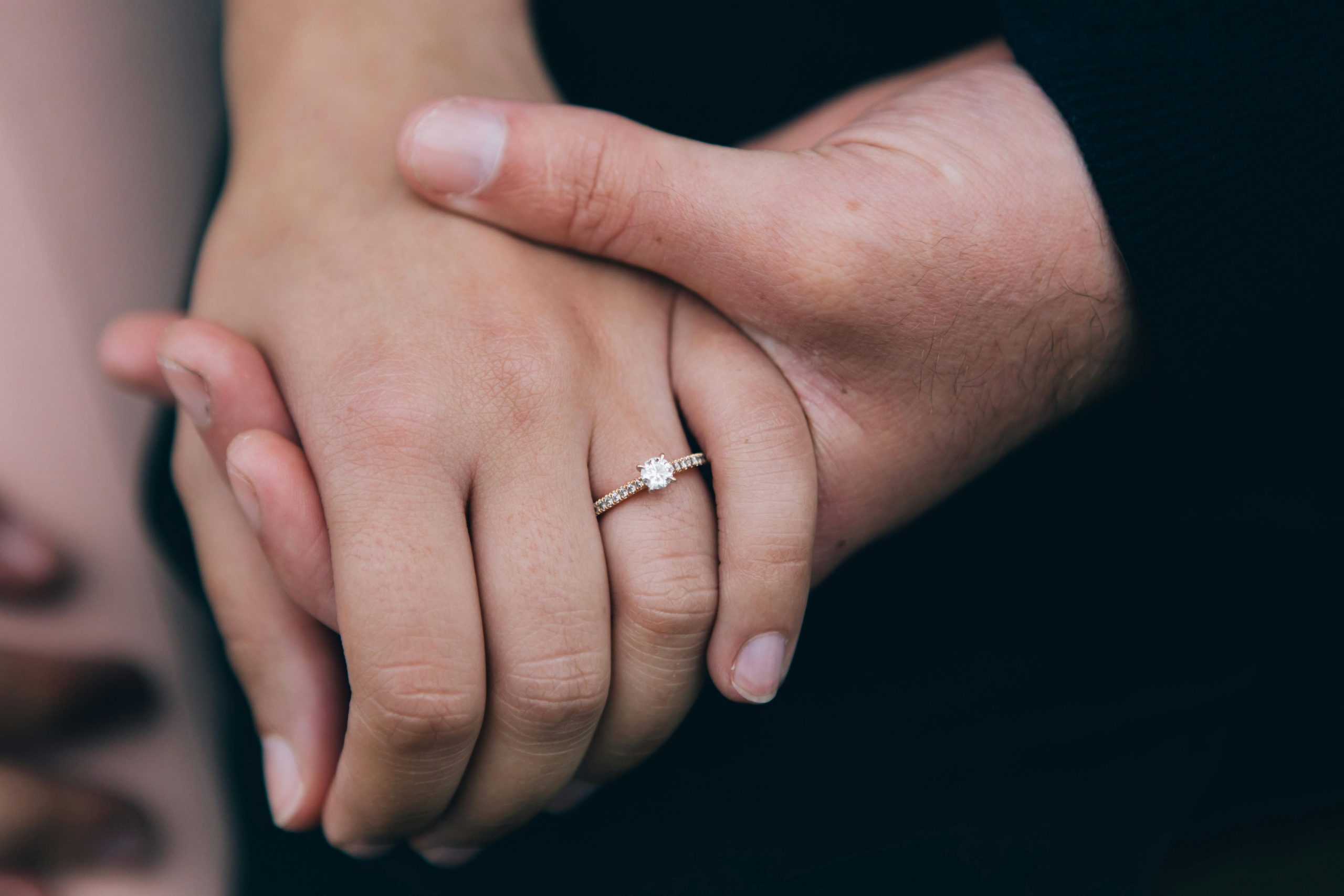
Diamonds are among the most valuable and sought-after gemstones in the world. Whether you are buying an engagement ring, inheriting jewelry, or verifying an existing piece, knowing how to tell a fake diamond from a real diamond is essential. With the rise of high-quality diamond simulants and lab-created stones, visual inspection alone is often not enough.
This guide explains reliable, professional methods—from at-home tests to gemological verification—so you can confidently identify a real diamond.
Understanding What “Fake Diamond” Really Means
Before testing, it’s important to clarify terminology:
- Real diamonds: Natural diamonds formed in the earth or lab-grown diamonds with identical chemical properties.
- Diamond simulants: Materials like cubic zirconia (CZ) or moissanite that resemble diamonds but are not diamonds.
- Fake diamonds: A general term often referring to simulants marketed as real diamonds.
Lab-grown diamonds are real diamonds, while simulants are not.
1. The Fog Test (Quick At-Home Method)
One of the simplest ways to check a diamond is the fog test.
How it works:
Breathe on the stone as if fogging up a mirror.
Results:
- A real diamond disperses heat quickly and clears almost immediately.
- A fake diamond (such as CZ) stays foggy for a few seconds.
Why it works:
Diamonds have exceptionally high thermal conductivity.
Note: This test is useful but not conclusive on its own.
2. The Water Test (Density Check)
This method checks the stone’s density.
How to perform:
- Fill a glass with water.
- Drop the loose stone into the glass.
Results:
- A real diamond sinks straight to the bottom.
- A fake diamond may float or sink slowly.
Limitations:
Some simulants can also sink, so this test should be combined with others.
3. Inspect the Stone with a Loupe or Magnifier
Professional jewelers use a 10x loupe to examine diamonds closely.
What to look for in a real diamond:
- Natural inclusions (tiny imperfections)
- Sharp, well-defined facet edges
- No air bubbles
Signs of a fake diamond:
- Perfect clarity (especially in large stones)
- Rounded or worn facet edges
- Visible bubbles inside the stone (common in glass)
Natural diamonds rarely look flawless under magnification.
4. Check the Setting and Mounting Quality
High-value diamonds are rarely set in low-quality metals.
Indicators of a real diamond:
- Mounted in gold, platinum, or white gold
- Hallmarks such as “18K,” “750,” or “PT950”
- Secure prongs or professional craftsmanship
A diamond set in cheap metal is a red flag.
5. Read the Text Through the Stone (Newspaper Test)
Place the stone flat on a piece of printed text.
Results:
- A real diamond refracts light so strongly that text underneath is distorted or unreadable.
- A fake diamond often allows you to read letters clearly.
This test works best on loose stones with flat bottoms.
6. Diamond Sparkle Test (Fire and Brilliance)
Diamonds reflect light in a unique way.
Real diamond sparkle:
- Bright white light (brilliance)
- Subtle rainbow flashes (fire)
Fake diamond sparkle:
- Excessive rainbow colors
- Less white light reflection
Moissanite, in particular, shows more rainbow fire than a real diamond.
7. Use a Diamond Tester (Thermal or Electrical)
Professional jewelers rely on electronic testers.
Types of testers:
- Thermal conductivity testers
- Electrical conductivity testers (to distinguish moissanite)
Accuracy:
These tools are highly reliable but should be used by professionals or experienced buyers.
8. Certification: The Most Reliable Proof
The only definitive way to confirm a diamond’s authenticity is certification.
Trusted grading laboratories:
- GIA (Gemological Institute of America)
- IGI (International Gemological Institute)
- AGS (American Gem Society)
A certificate verifies:
- Whether the stone is natural or lab-grown
- Cut, color, clarity, and carat weight
If a seller cannot provide certification for a high-value diamond, proceed with caution.
Common Fake Diamond Materials to Watch Out For
| Material | Appearance | Key Difference |
|---|---|---|
| Cubic Zirconia | Very clear, heavy | Lower hardness |
| Moissanite | Extremely sparkly | More rainbow fire |
| Glass | Soft shine | Air bubbles |
| White Sapphire | Dull sparkle | Lower brilliance |
Final Thoughts: When in Doubt, See a Professional
While at-home tests can provide clues, professional evaluation is essential for valuable jewelry. A certified gemologist can quickly determine whether a diamond is real, lab-grown, or a simulant.
Understanding how to tell a fake diamond from a real diamond protects your investment and ensures you know exactly what you’re buying.
Frequently Asked Questions (FAQ)
Can a fake diamond scratch glass?
Yes. Some simulants can scratch glass, so this test is unreliable.
Are lab-grown diamonds fake?
No. Lab-grown diamonds are chemically and physically real diamonds.
What is the most common fake diamond?
Cubic zirconia is the most common diamond simulant.