Showing all 12 resultsSorted by popularity
Sort by
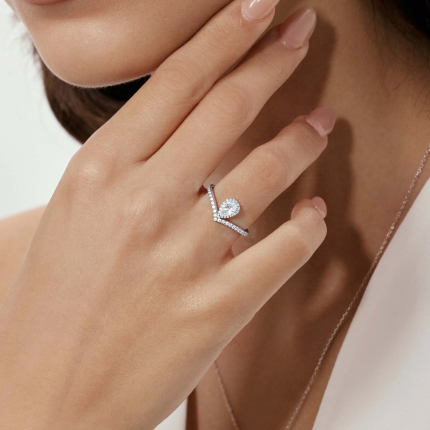
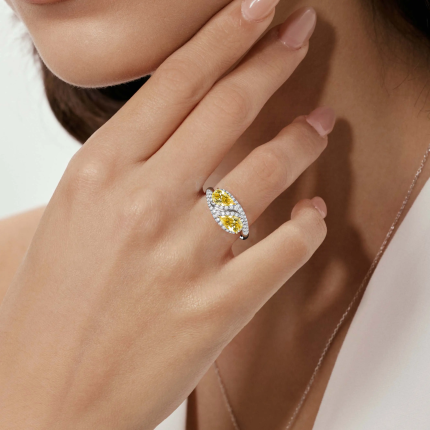
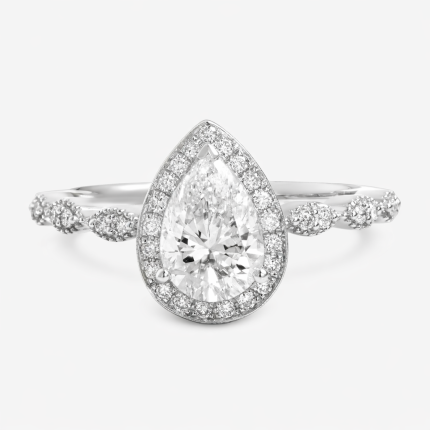
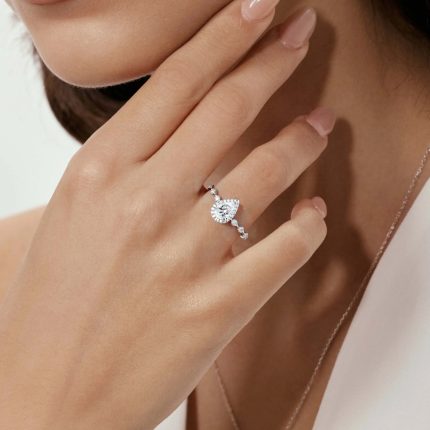
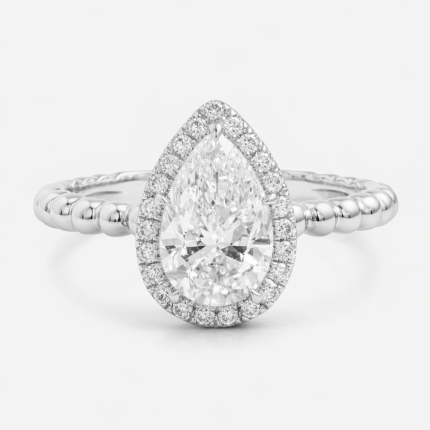
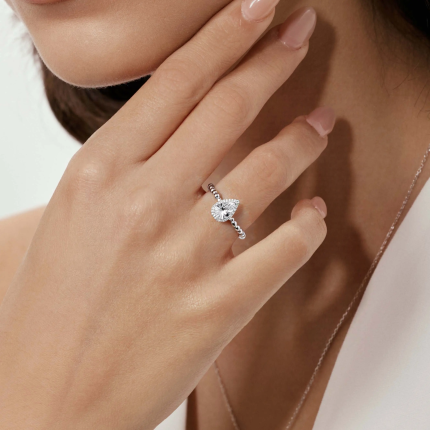
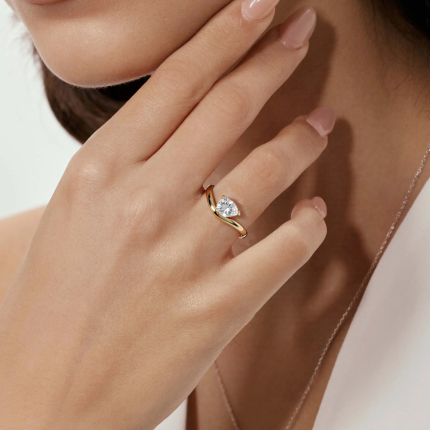
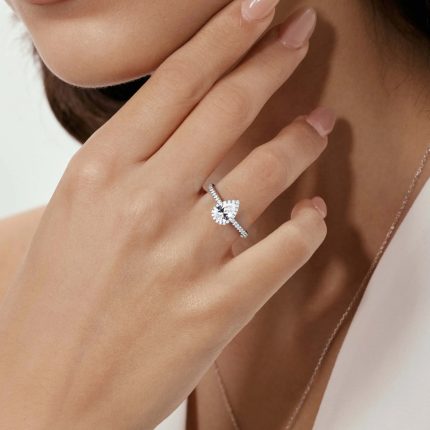
Aether’s Embrace Pear-Shaped Lab-Grown Diamond Engagement Ring
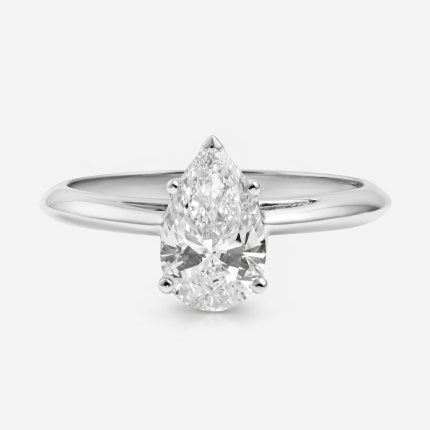
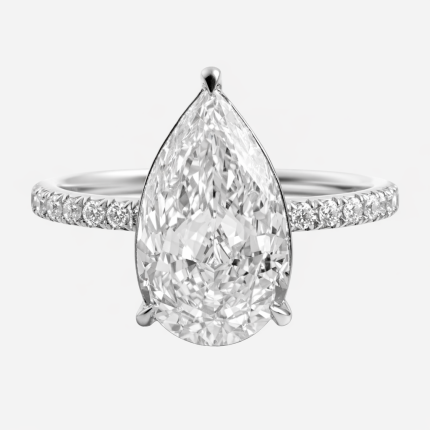
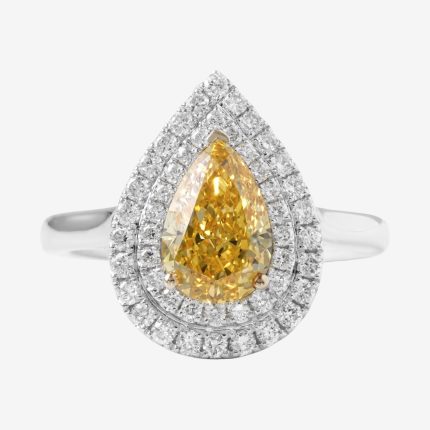
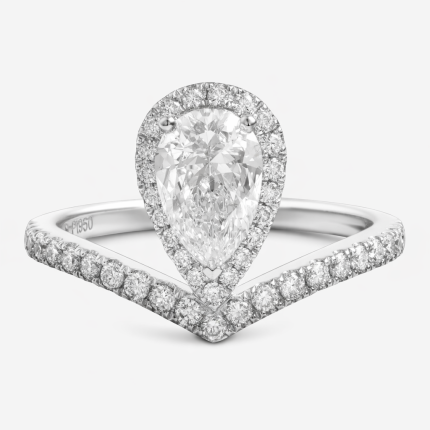
Amour Pear-Shaped Lab-Grown Diamond Engagement Ring
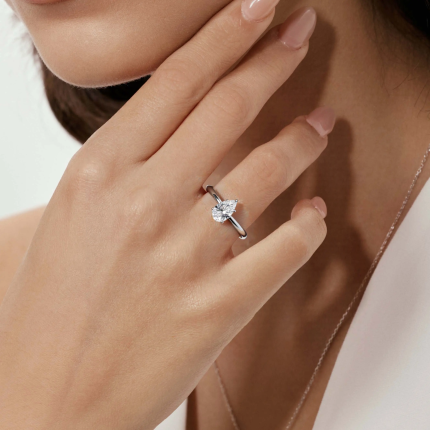
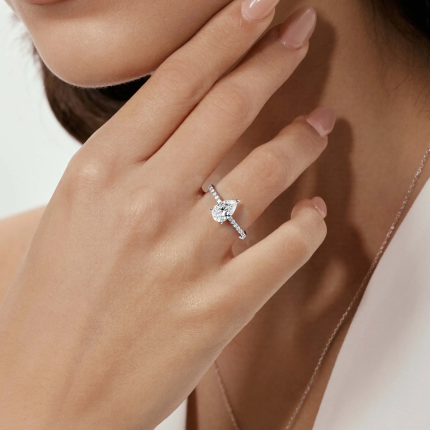
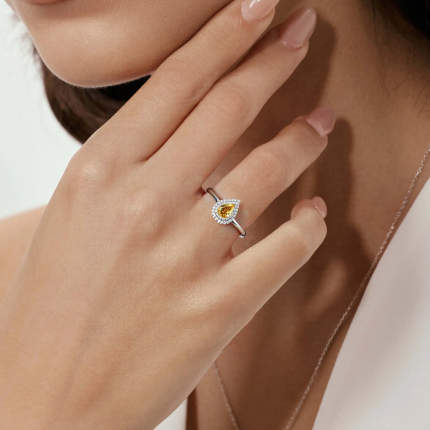
OTR Mirage Pear-Shaped Lab-Grown Diamond Engagement Ring
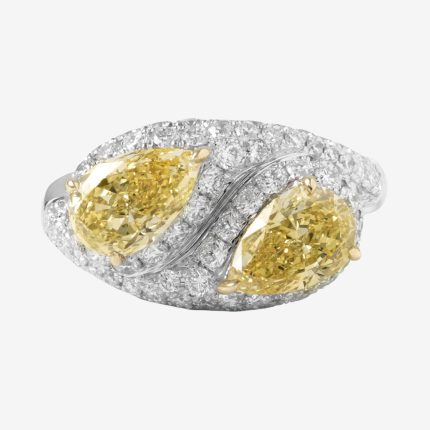
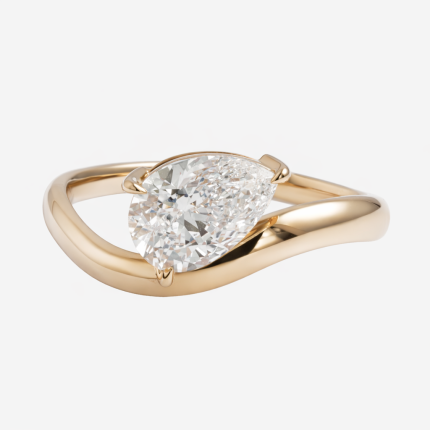
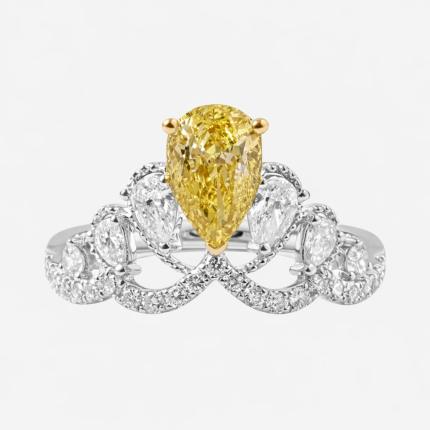
Radiant Heart Pear-Shaped Lab-Grown Diamond Engagement Ring
Pure Allure Pear-Shaped Lab-Grown Diamond Engagement Ring
Celestial Love Pear-Shaped Lab-Grown Diamond Engagement Ring
OTR Aurelia Pear-Shaped Lab-Grown Diamond Engagement Ring
One Celestia Pear-Shaped Lab-Grown Diamond Engagement Ring
OTR Lysia Pear-Shaped Lab-Grown Diamond Engagement Ring
OTR Monarch Pear-Shaped Lab-Grown Diamond Engagement Ring
Eternal Drop Pear-Shaped Lab-Grown Diamond Engagement Ring
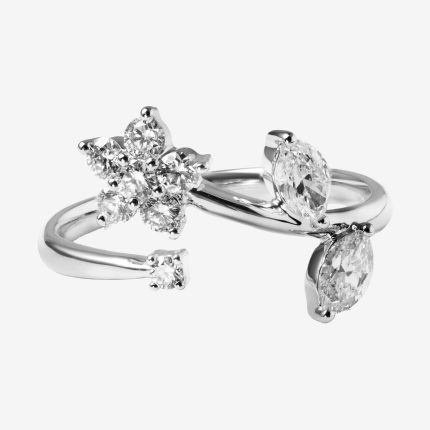
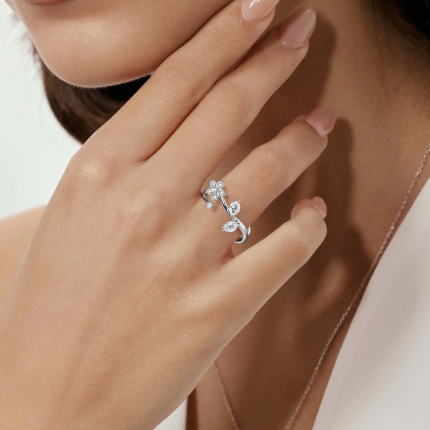
Bloom Cuff Pear-Shaped Lab-Grown Diamond Engagement Ring
FAQ – Pear Cut Engagement Rings
A pear cut engagement ring features a diamond shaped with a rounded end and a pointed tip, combining the brilliance of a round cut with the elegance of a marquise cut. This unique silhouette creates a flattering, elongated look on the finger and is often chosen for its graceful and distinctive appearance.
Pear cut diamonds are generally more affordable than round cut diamonds of the same carat weight and quality. Because pear shapes waste less rough diamond during cutting, buyers can often achieve a larger-looking stone for a similar budget, making pear cut engagement rings an excellent value choice.
Yes, pear cut diamonds tend to appear larger than their actual carat weight. The elongated shape spreads the diamond’s surface area across the finger, creating a visually larger presence compared to round or cushion cut diamonds with the same carat weight.
Popular settings for pear cut engagement rings include solitaire, halo, and three-stone designs. A halo setting enhances sparkle and protects the pointed tip, while a solitaire setting highlights the diamond’s clean shape. A V-shaped prong at the tip is highly recommended to protect against chipping.
Traditionally, pear cut engagement rings are worn with the pointed tip facing upward toward the fingernail, as this creates a lengthening effect on the finger. However, some prefer wearing it point down for a more modern or unconventional look—both styles are equally acceptable.
An ideal length-to-width ratio for pear cut diamonds typically falls between 1.45 and 1.75, depending on personal preference. Lower ratios appear wider and softer, while higher ratios create a longer, more slender look. There is no single “perfect” ratio—visual appeal matters most.
Pear cut diamonds are durable but require proper setting. The pointed tip is more vulnerable to impact, so protective prongs or a halo setting are recommended. When well-set, a pear cut engagement ring is suitable for everyday wear.
Like many elongated diamond shapes, pear cut diamonds can display a bow-tie effect—a darker shadow across the center. A well-cut pear diamond minimizes this effect. Choosing a high-quality cut and viewing the diamond in different lighting conditions helps ensure balanced brilliance.
Yes, pear cut engagement rings are an excellent choice for lab-grown diamonds. Lab-grown pear cut diamonds offer the same visual beauty and durability as natural diamonds, often at a more accessible price point, allowing buyers to choose higher clarity or larger carat sizes.
Absolutely. Pear cut engagement rings are both romantic and distinctive, making them ideal for proposals. Their unique shape symbolizes individuality and elegance, appealing to those who want a ring that stands out while remaining timeless.