
Does Diamond Cut Really Matter for an Engagement Ring?

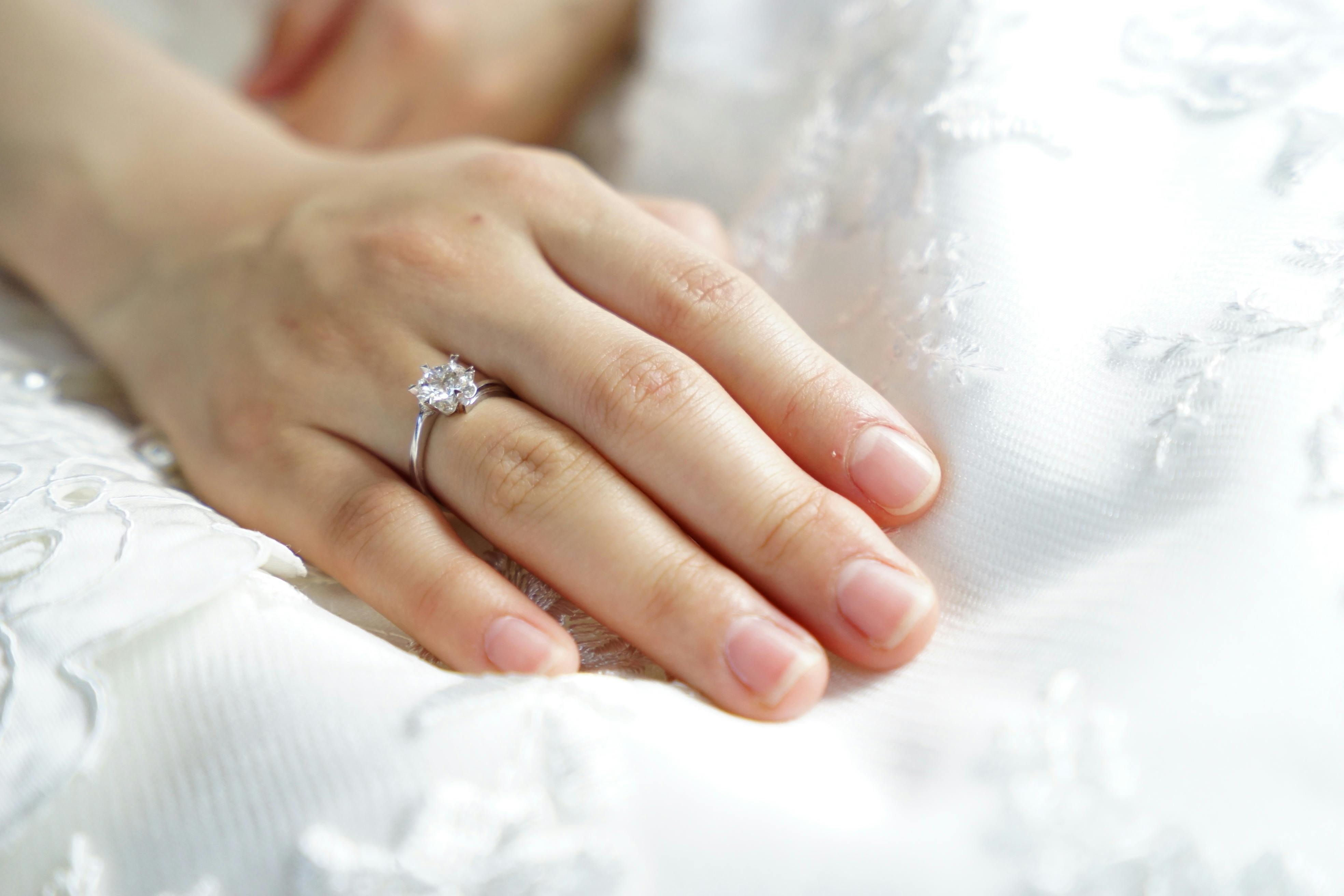
When choosing an engagement ring, many people start by comparing carat weight, color, or clarity. These factors are easy to understand and often heavily marketed. However, one element consistently has the greatest impact on how a diamond actually looks—the cut.
Diamond cut is not just a technical detail on a grading report. It directly determines how much light a diamond reflects, how lively it appears, and whether it looks bright or dull in everyday wear. For an engagement ring meant to be worn for years, cut quality plays a far more important role than many buyers realize.
What “Diamond Cut” Really Means
Diamond cut does not describe the shape of the stone, such as round or oval. Instead, it refers to how well the diamond has been cut and finished from the rough crystal.
This includes:
- The accuracy of the diamond’s proportions
- The alignment and symmetry of its facets
- The quality of the polish
- How efficiently light enters and exits the stone
Reputable gemological laboratories, including GIA, evaluate these elements and assign a cut grade ranging from Excellent to Poor. For engagement rings, diamonds graded Excellent or Very Good are generally considered the standard for visual beauty.
Why Cut Has the Biggest Impact on Appearance
A diamond’s appeal comes from how it handles light. When proportions are well balanced, light entering the diamond reflects internally and returns through the top of the stone. This creates brightness, contrast, and sparkle.
If the cut is too shallow or too deep, light escapes through the bottom or sides instead of returning to the viewer’s eye. The result is a diamond that appears dark or lifeless, even if it has high color and clarity grades.
This is why two diamonds with similar specifications can look dramatically different once set in a ring. Cut quality is the difference between a diamond that catches attention and one that quietly fades into the background.
How Diamond Cut Affects an Engagement Ring in Real Life
Visual Size and Presence
Cut quality influences how large a diamond appears from the top. A well-cut diamond has a balanced spread, making it look bigger and more open. Poorly cut stones often carry excess weight in the depth, reducing visible surface area.
In practical terms, this means a well-cut diamond can appear noticeably larger than a poorly cut stone of the same carat weight.
Brilliance in Everyday Lighting
Engagement rings are worn in many environments—daylight, office lighting, restaurants, and evening settings. Diamonds with strong cut quality maintain their sparkle across different lighting conditions.
Lower-cut diamonds may look acceptable under bright showroom lights but lose their appeal in natural or softer lighting. Over time, this difference becomes obvious to the wearer.
Long-Term Value and Desirability
While cut quality plays a major role in long-term value, how an engagement ring is cared for over time also affects its appearance and durability. Knowing how to care for an engagement ring helps preserve its brilliance and ensures it continues to look its best for years to come.
While an engagement ring is primarily an emotional purchase, cut quality adds an important layer of long-term practicality.
How to Choose the Right Diamond Cut
Round Diamonds
Round brilliant diamonds are the only shape with an official cut grade from GIA. For engagement rings, choosing Excellent cut is strongly recommended. When possible, diamonds with Excellent cut, polish, and symmetry offer the most consistent visual performance.
Fancy Shapes
Shapes such as oval, pear, princess, and heart do not receive a standardized cut grade. Their appearance depends heavily on proportions and craftsmanship.
When selecting fancy shapes, pay attention to:
- Overall balance and symmetry
- Length-to-width ratio
- Signs of light leakage
In these shapes, cut quality can vary significantly, making careful evaluation essential.
Cut Comes Before Color and Clarity
For buyers working within a budget, prioritizing cut often leads to better results than chasing higher color or clarity grades.
A well-cut diamond with slightly lower color or clarity typically looks brighter and more attractive than a poorly cut diamond with higher technical grades. This approach delivers better visual impact without unnecessary cost.
Common Misunderstandings About Diamond Cut
Some buyers assume cut differences are subtle or only noticeable to experts. In reality, cut is the most visible of the 4Cs once a diamond is set and worn regularly.
Others believe certification alone guarantees quality. While certification is important, the cut grade itself still matters—and not all certified diamonds are cut equally well.
Frequently Asked Questions
Does diamond cut matter more than color or clarity?
For most engagement rings, yes. Cut has the greatest influence on how a diamond looks to the naked eye. A well-cut diamond reflects light efficiently, creating brightness and sparkle, while differences in color or clarity are often subtle in everyday wear. Many buyers find that prioritizing cut delivers the most noticeable visual improvement.
What is the best diamond cut for an engagement ring?
For round diamonds, an Excellent cut is generally considered the best choice. It offers the highest level of brilliance and consistency across different lighting conditions. For fancy shapes such as oval or pear, there is no single “best” cut grade, but well-balanced proportions and strong light return are essential.
Can a poorly cut diamond look dull even with high grades?
Yes. A diamond with high color and clarity can still appear dark or lifeless if the cut is poor. When proportions are off, light escapes instead of reflecting back to the eye. This is why cut quality often matters more than other grading factors.
Does better cut make a diamond look bigger?
In many cases, yes. A well-cut diamond has better face-up spread, meaning more of its weight is visible from the top. Poorly cut diamonds may hide weight in depth, making them appear smaller despite having the same carat weight.
Is Excellent cut always worth the higher price?
For engagement rings, many buyers consider it worthwhile. The price difference between Very Good and Excellent cut is often smaller than expected, while the visual improvement can be noticeable. That said, a high-quality Very Good cut can still be an excellent option depending on budget and personal preference.
Do fancy-shaped diamonds need extra attention to cut?
Absolutely. Fancy shapes do not receive standardized cut grades, so their appearance depends heavily on craftsmanship. Evaluating symmetry, proportions, and light performance is especially important when choosing shapes like oval, pear, or heart.